


The House Edge: Understanding Casino Profitability
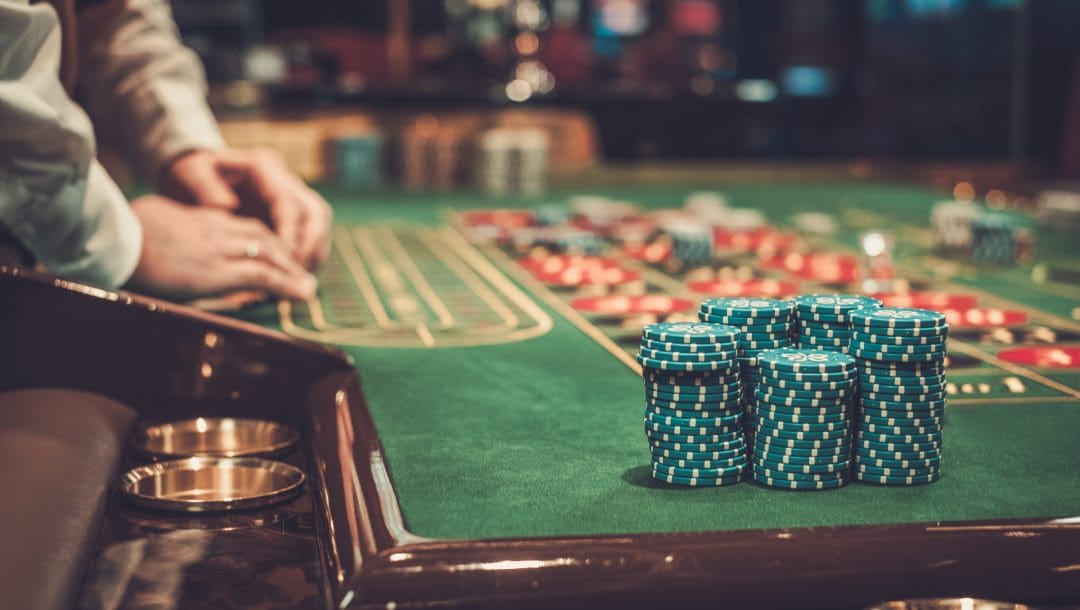
The fundamental concept behind every casino's profit model is known as the "house edge." This is the statistical advantage that the casino has over players in various games. Each game is designed with algorithms and probabilities that ensure the casino comes out ahead in the long run. For instance, in games like roulette, the presence of the zero or double zero slots gives the casino its edge, making it less likely for a player to win consistently. Many people enjoy playing games in casinos, especially those who look for online pokies for real money where the excitement is heightening.
The house edge varies across different games, with some offering better odds for players than others. Slot machines often have a higher house edge compared to table games like blackjack or poker, where players can employ strategies to decrease the house's advantage. Understanding the house edge is crucial for players who wish to make informed decisions about where to invest their money and time while gambling.
The Psychology of Gambling: Playing to Win
Casinos employ sophisticated psychological tactics to keep players engaged and spending money. For instance, the use of bright lights, engaging sounds, and the thrill of games creates an atmosphere that encourages players to continue playing even after experiencing significant losses. This environment is specifically designed to manipulate emotions and maximize the time spent in the casino.
Furthermore, casinos often utilize loss aversion strategies, where players experience a greater emotional response to losses than to equivalent wins. This means that players may chase their losses, often leading them to wager even more in an attempt to recover what they have lost, thereby increasing the casino's profitability.
Game Design and Odds Manipulation
The design of casino games is carefully engineered to enhance the experience while simultaneously ensuring profitability. Many electronic gaming machines are programmed with random number generators (RNGs) that dictate outcomes and payout rates. However, the settings on these machines can be adjusted to influence the odds, which can vary significantly from one machine to another.
In addition to RNGs, casinos often introduce features such as "near misses" which make players feel as though they are close to winning, further encouraging them to continue playing. This manipulation of perception can lead to longer playing sessions and increased spending, demonstrating how design elements are strategically leveraged to benefit the casino.
Promotional Strategies: Enticing Players
Casinos frequently employ a range of promotional strategies to attract and retain players. These promotions include bonuses, loyalty programs, and free play offers which seem appealing at first glance. However, they are often structured in a way that encourages further play before players can redeem any winnings.
By using these promotions strategically, casinos can increase customer retention and ensure lifelines of continuous revenue. Players may find themselves drawn in by the allure of free incentives, only to discover the fine print that limits the potential benefits, effectively securing profits for the casino.
Conclusion: Sharpening Your Skills at Online Learning Platforms
Understanding how casinos manipulate odds for profit can empower players to make informed decisions when gambling. For those looking to enhance their skills, online learning platforms like New Horizons Learning Centres offer a plethora of courses on decision-making and strategic thinking, which can be beneficial to players interested in improving their understanding of probability and risk management.
By gaining insights into these concepts and learning how to analyze situations, individuals can develop better strategies that may counteract the inherent advantages of casinos. Whether for entertainment or serious inquiry, educational resources can help illuminate the complexities of gambling beyond mere luck.